
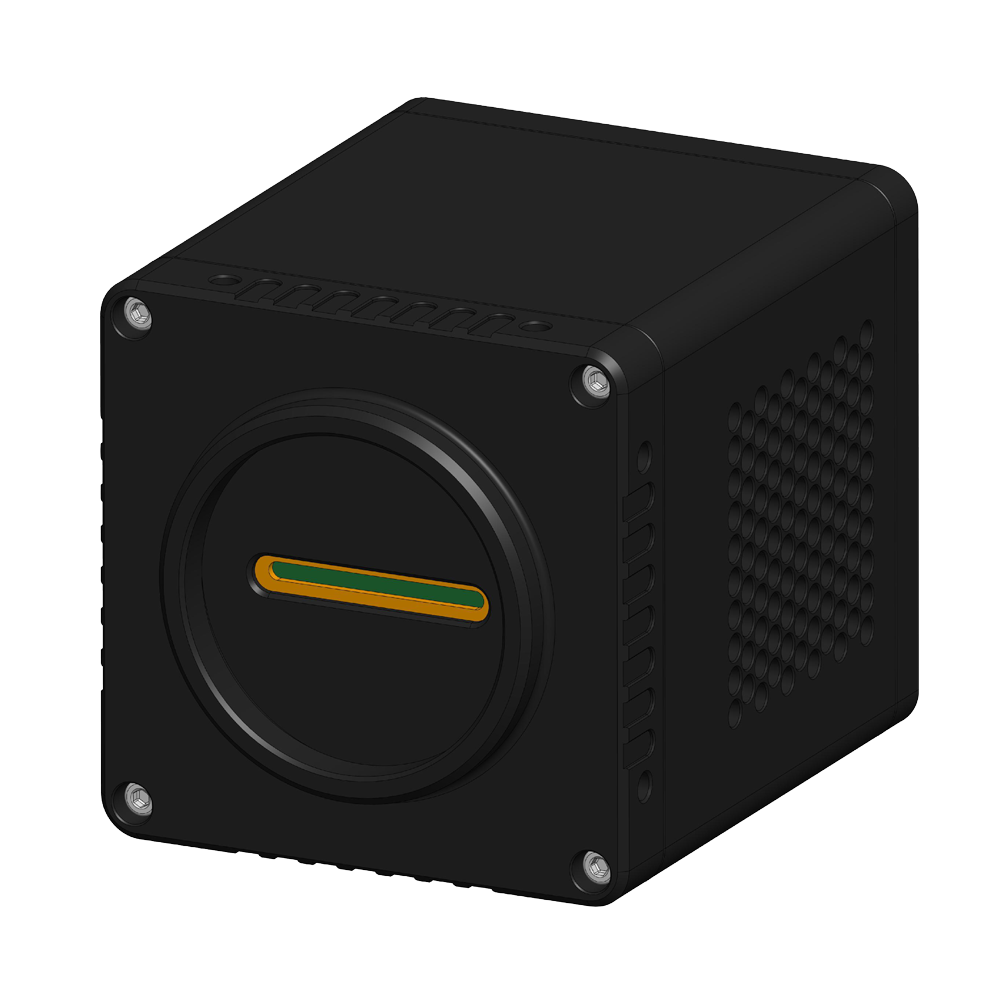
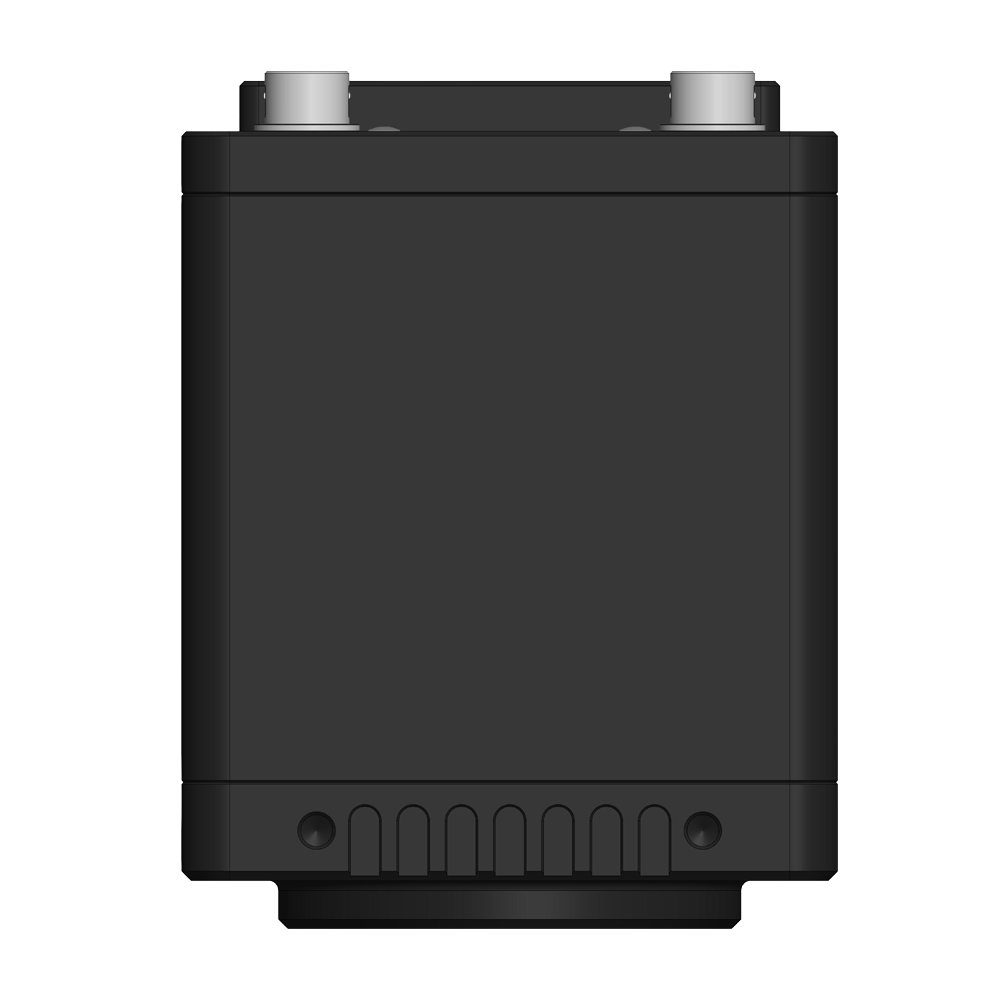
SWIR1024L3A-CL40K Short-Wave Infrared Camera
Product Introduction
SWIR1024L3A-CL40K is a 1024-pixel China-made InGaAs SWIR line-scan camera covering the 900–1700 nm range. It uses 12.5 µm × 12.5 µm pixels, CameraLink Full transmission, 14-bit ADC, 38K @ 1024 × 1 line-scan output, and cooling up to 40 °C below ambient.
Key Features
- 1024-pixel China-made InGaAs line-scan sensor
- 12.5 µm × 12.5 µm pixel size
- 900–1700 nm spectral response
- 38K @ 1024 × 1 line-scan output
- 14-bit ADC and 512 MByte memory
- 70% quantum efficiency @ 1550 nm
- CameraLink Full interface
- Global shutter design
- Cooling up to 40 °C below ambient
- M42 lens mount
Product Details
| Specifications | |
| Model | SWIR1024L3A-CL40K |
| Sensor | China-made 1024-pixel line-scan sensor |
| Sensor Type | InGaAs short-wave infrared (SWIR) line-scan image sensor |
| Shutter Type | Global Shutter |
| Color Type | Monochrome |
| Resolution | 1024 pixels (1024 × 1) |
| Sensor Size | 25.6 mm |
| Pixel Size | 12.5 µm × 12.5 µm |
| Spectral Range | 900–1700 nm |
| Performance Specifications | |
| Frame Rate | 38K @ 1024 × 1 |
| ADC | 14 bit |
| Memory | 512 MByte |
| Quantum Efficiency | 70% @ 1550 nm |
| Dynamic Range | - |
| Exposure Time Range | 1 µs - 1 s |
| Interface Specifications | |
| Digital I/O | 1 optocoupler-isolated input, 1 optocoupler-isolated output |
| Lens Mount | M42 |
| Data Interface | CameraLink Full |
| Data Format | Mono 14 |
| Cooling Capacity | 40 °C below ambient temperature |
| Power Supply | DC 12 V |
| Software | SDK development kit and CLView software based on Delsa frame grabber |
| Physical & Environmental Specifications | |
| Operating Temperature | Working temperature: -40 °C to 70 °C |
| Operating Humidity | 20% to 80%, non-condensing |
| Storage Temperature | Storage temperature: -40 °C to 70 °C |
Product Overview
SWIR1024L3A-CL40K is a China-made InGaAs SWIR line-scan camera engineered for high-speed online inspection, material sorting, spectral sorting, and continuous-web imaging. It combines a 2048-pixel line-scan sensor, CameraLink Full transport, and TEC cooling to deliver stable short-wave infrared imaging in demanding industrial workflows.
- SWIR spectral response: covers 900–1700 nm for moisture analysis, material identification, and short-wave infrared process inspection.
- High-speed line-scan acquisition: supports 38K @ 1024 × 1 to match continuous motion targets and inline inspection systems.
- Stable signal chain: combines 14 bit ADC, 512 MByte memory, and Mono 14 output for reliable industrial data capture.
- TEC cooling control: 40 °C below ambient temperature helps improve imaging stability and dark-noise control during long-duty operation.
- Industrial system integration: CameraLink Full, 1 optocoupler-isolated input, 1 optocoupler-isolated output, and an M42 mount simplify integration into line-scan optical systems.
- Software support: the camera is supplied with SDK development kit and CLView software based on Delsa frame grabber for configuration, acquisition, and secondary development.
Core Performance Highlights
Line Rate
38K @ 1024 × 1
Quantum Efficiency
70% @ 1550 nm
Interface
CameraLink Full
Product Summary
SWIR1024L3A-CL40K is optimized for high-speed SWIR line-scan applications where stable CameraLink transmission, short-wave infrared sensitivity, and dependable industrial integration matter most.
SWIR1024L3A-CL40K Product Manual
PDF format with detailed technical specifications and outline information
SDK and CLView Software
Development kit and CameraLink acquisition software for system integration
3D Model Files
STEP files for mechanical integration and enclosure design
Series Highlights#
Designed around high-speed line-scan inspection, SWIR sensitivity, and stable CameraLink integration
1024/2048-Pixel Line Scan
The series covers 38K @ 1024 × 1 and 79K @ 2048 × 1 models for continuous-motion inspection and inline production systems.
SWIR Material Discrimination
The 900–1700 nm response band is suited to moisture analysis, material sorting, silicon inspection, and other short-wave infrared recognition tasks.
Industrial Integration
CameraLink Full, isolated trigger I/O, M42 mounting, SDK support, and CLView software simplify integration into line-scan inspection systems.
Frequently Asked Questions
Learn more about SWIR short-wave infrared camera technology

Deep Understanding of SWIR Cameras
Short-Wave Infrared (SWIR) cameras and their core sensors are important components of advanced imaging systems. SWIR technology covers the 900–1700 nanometer wavelength band and has excellent penetration capabilities in harsh environments, such as penetrating fog, smoke, and dust to achieve clear imaging under extreme conditions.
SWIR cameras primarily rely on short-wave infrared light reflection, similar to the visible light band, complementing the application range that thermal imaging cameras (LWIR) cannot cover, providing more complete imaging solutions. They are compact and flexibly integrated, making them easy to apply in various industrial and commercial systems.
The high resolution and high sensitivity of SWIR cameras can meet precision detection and high-requirement applications, capable of detecting minute changes and anomalies in samples, making them very suitable for quality control and defect detection. Some models support cooling, further ensuring imaging quality in high-temperature or high-noise environments.
To reduce system costs and improve integration efficiency, modern SWIR cameras commonly adopt standard optical interfaces and compact designs to accommodate broader application requirements. With the continuous development of imaging markets and technology, SWIR cameras have become one of the key technologies for high-end imaging and sensing in multiple industries due to their unique advantages.
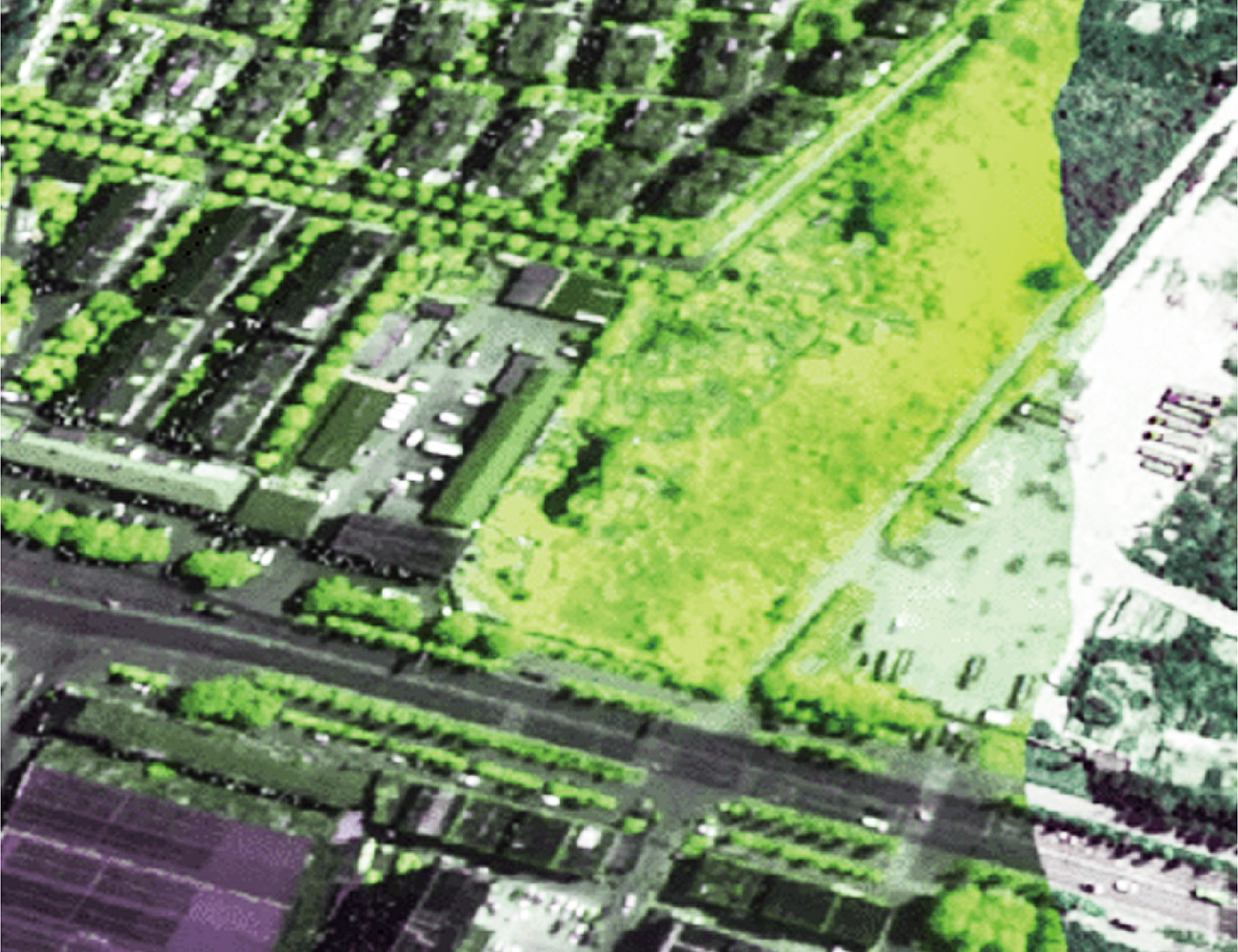
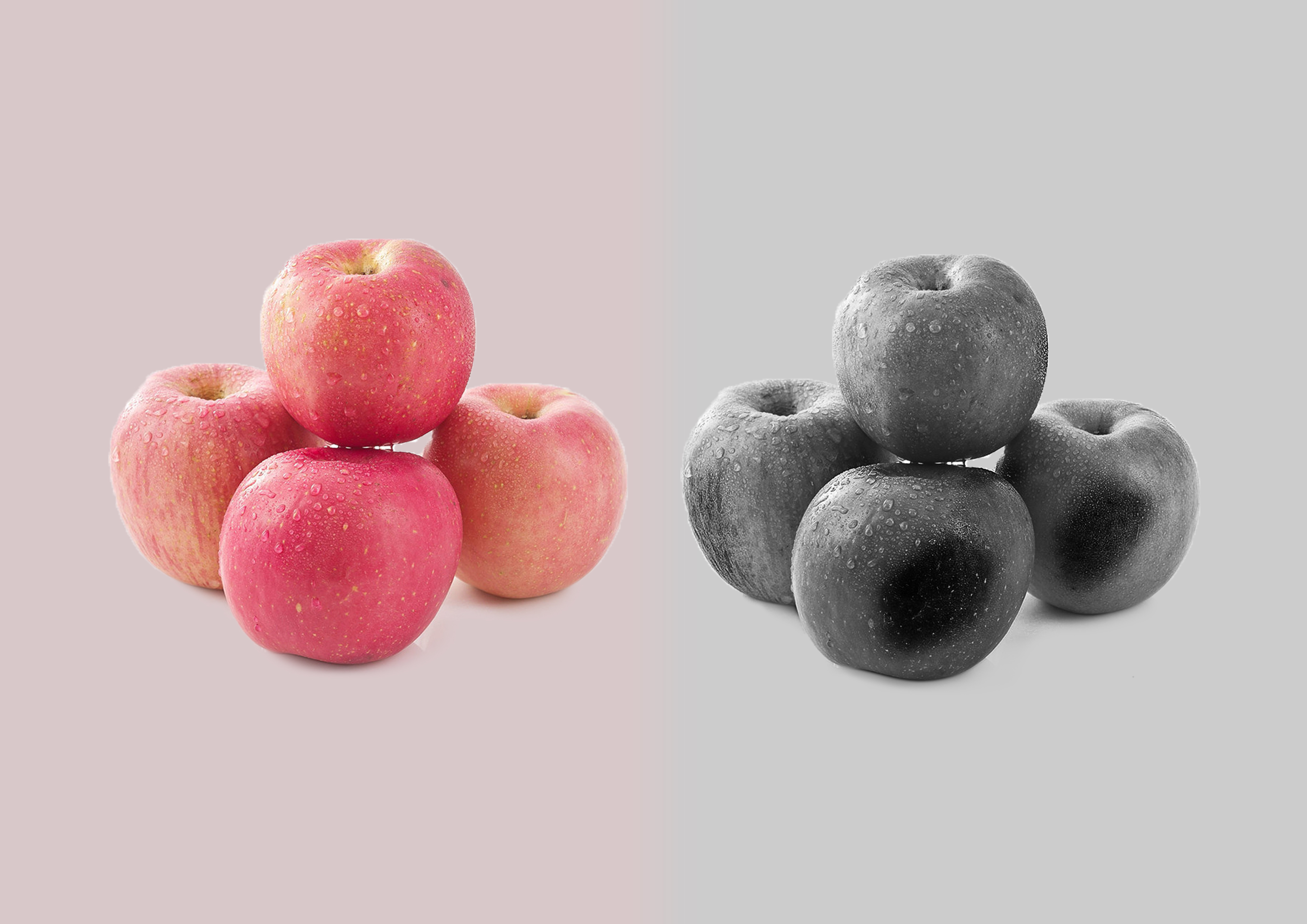
Application Examples
Demonstration of SWIR camera applications in real-world scenarios




More Application Industry References
- Semiconductor Industry: Solar cell and chip inspection
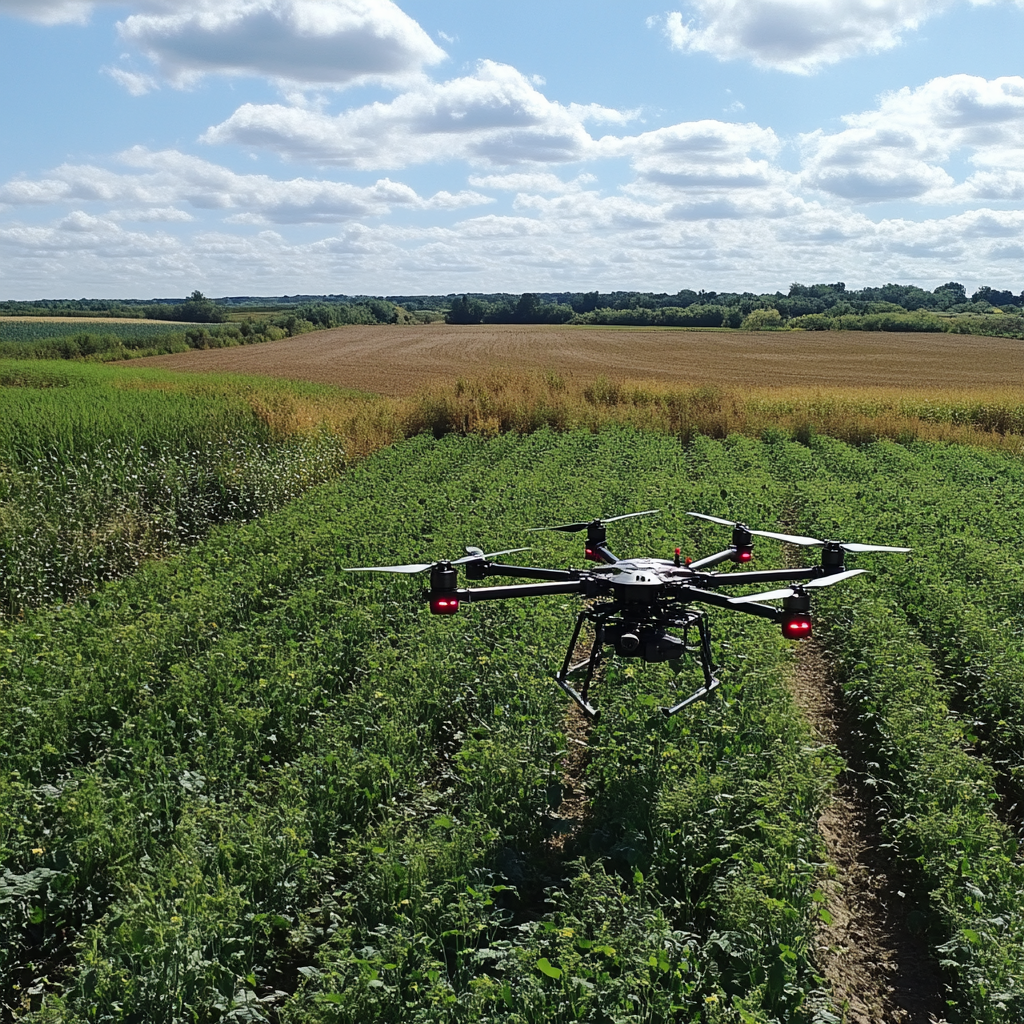
- Agriculture: Spectral remote sensing applications via multirotor aircraft
- Recycling Industry: Material sorting of plastics, waste, and other materials
- Medical Imaging and Research: Hyperspectral and multispectral imaging
- Food Industry: Quality inspection and grading
- Beverage Industry: Liquid level detection in opaque containers
- Packaging: Seal inspection
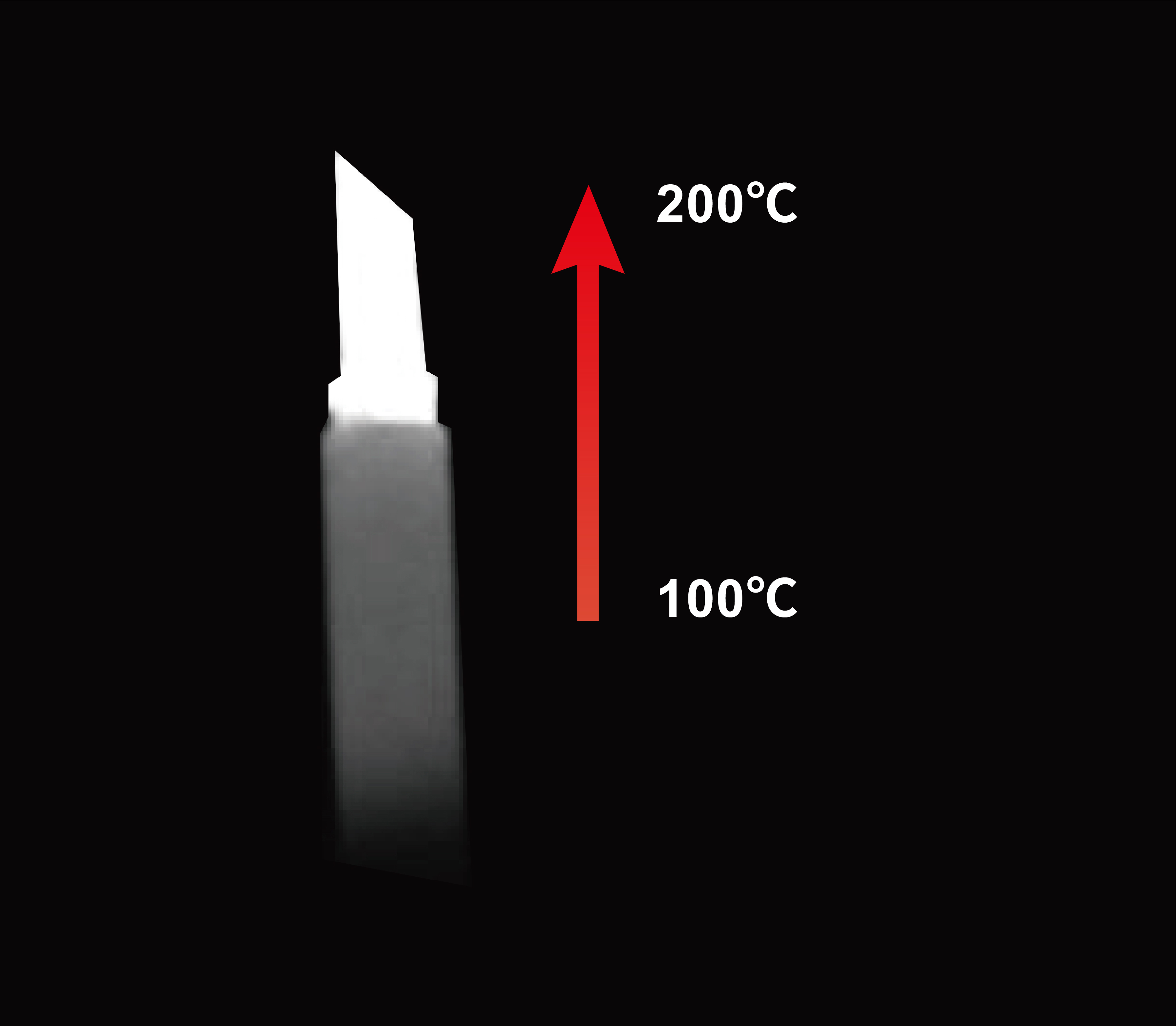
- Glass Industry: High-temperature glass penetration defect detection
- Printing Industry: See-through hidden features
- Video Surveillance: Visual enhancement (e.g., smoke penetration)
- Security: Counterfeit detection, such as currency, wigs, or skin