
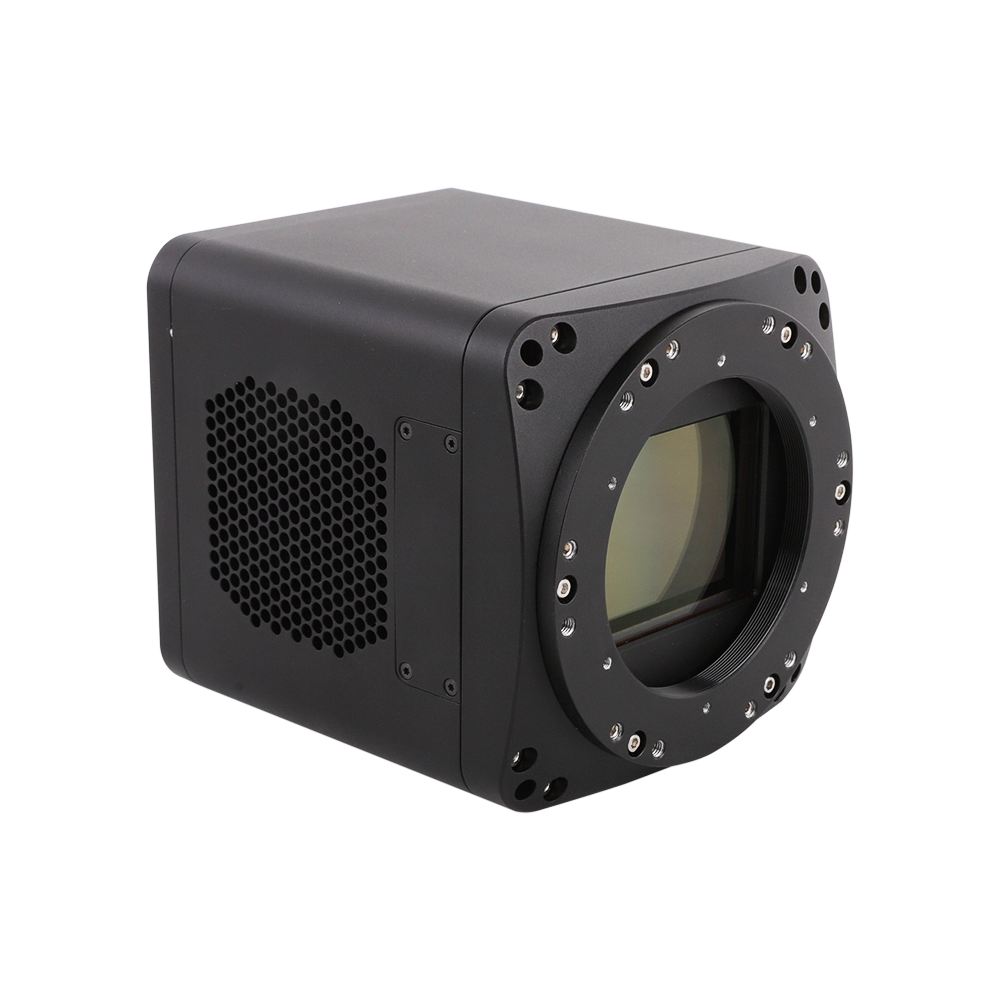
MAX251AC-U3 Scientific Camera
Product Introduction
A 251 MP color full-frame camera (Sony IMX811AQR) with USB3.0 interface. Supports 1.5 fps at full resolution, TEC deep cooling (typical ΔT ≈ 40 °C) with anti-condensation structure, and exposure control from 15 µs to 3600 s, suitable for ultra-high-resolution color imaging in microscopy stitching, cultural heritage capture, and precision inspection. Provides software/hardware triggering and ROI/binning (model dependent), bundled with cross-platform SDK.
Key Features
- Sensor: Sony IMX811AQR, 251 MP (color, RS)
- Resolution: 19200×12800; pixel size: 2.81 µm
- Sensor format: 53.95 × 35.97 mm; diagonal 64.84 mm (4.1")
- Interface: USB3.0; full resolution 1.5 fps
- Typical exposure range: 15 µs–3600 s
- Sampling averaging: 1×1 (see specifications)
- Supports free-running/software/hardware triggering and multi-camera sync (model dependent)
- TEC deep cooling with anti-condensation optical structure
- Image functions: ROI, binning, orientation flip, etc. (model dependent)
- Software: ToupView/ToupLite; cross-platform SDK
Product Details
| Specifications | |
| Model | MAX251AC-U3 |
| Sensor | IMX811AQR (C, RS) |
| Shutter Type | Rolling Shutter |
| Color Type | Color |
| Resolution | 251 MP (19200×12800) |
| Sensor Size | 53.95 mm × 35.97 mm |
| Sensor Diagonal | 4.1" (64.84 mm) |
| Pixel Size | 2.81 µm × 2.81 µm |
| Performance Parameters | |
| Frame Rate | 1.5 fps @ 19200×12800 |
| Exposure Time | 150 µs ~ 3600 s |
| Bit Depth | 8/16-bit |
| Dynamic Range | Available on request |
| Sensitivity | Available on request |
| Interface Parameters | |
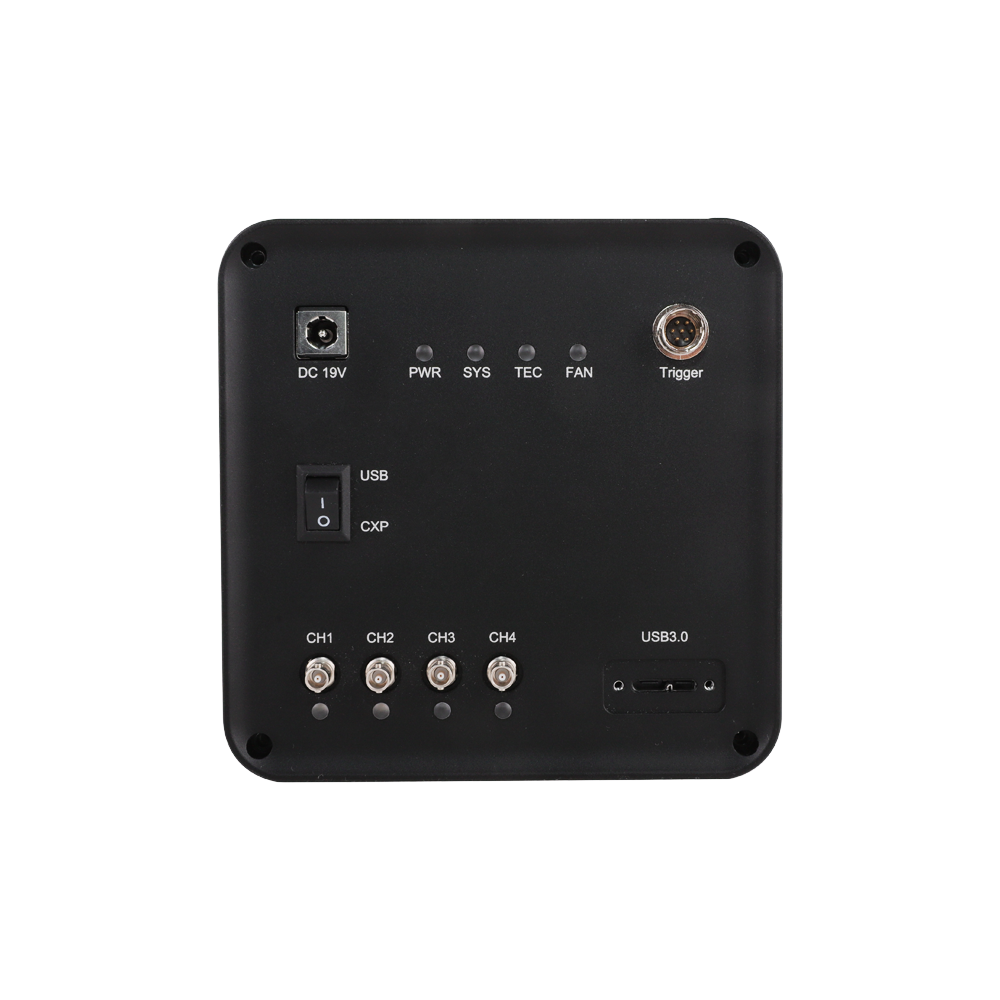
| GPIO | 1× opto-isolated input, 1× opto-isolated output, 2× direct-connect GPIO |
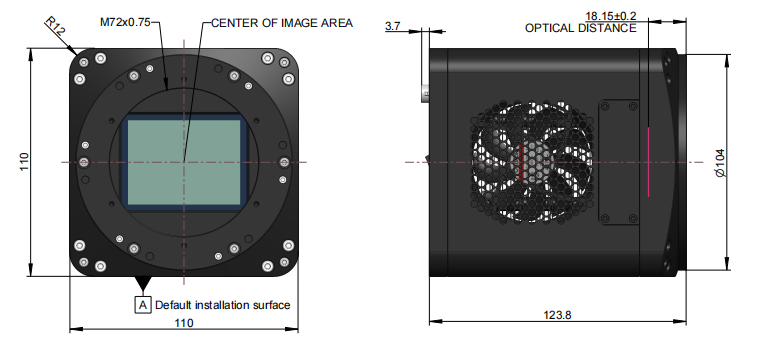
| Lens Mount | M72×0.75 (native) |
| Data Interface | USB3.0 |
| Power Supply | USB3.0 bus power / DC 19 V |
| Physical Parameters | |
| Dimensions | 110 mm × 110 mm × 123.8 mm |
| Weight | 1.44 kg |
| Environmental Parameters | |
| Operating Temperature | -10 °C to +50 °C |
| Operating Humidity | 20%–80% (non-condensing) |
| Storage Temperature | -30 °C to +70 °C |
| Storage Humidity | 20%–80% (non-condensing) |
| Other Parameters | |
| OS Support | Multi-platform SDK for Windows/Linux/macOS/Android (native C/C++, C#/VB.NET, Python, Java, DirectShow, TWAIN, etc.) |
| Certification | CE, FCC |
Product Overview
MAX251AC-U3 is a scientific-grade cooled camera featuring the IMX811AQR (C, RS) back-illuminated sCMOS sensor, delivering the following key advantages:
- High-Resolution Imaging: 251 MP (19200×12800) resolution with 2.81 µm × 2.81 µm pixel size and 53.95 mm × 35.97 mm sensor format.
- Shutter Architecture: Utilizes a Rolling Shutter design with monochrome imaging, suitable for fluorescence imaging, spectroscopy, and gene sequencing workflows.
- High-Speed Data Throughput: Supports USB3.0 interface, delivering up to 1.5 fps @ 19200×12800 with 8/16-bit output.
- Outstanding Dynamic Range: Offers up to Available on request dynamic range with sensitivity reaching Available on request.
- Deep Cooling System: Integrated TEC cooling stabilizes the sensor and suppresses dark current.
- Comprehensive I/O: Provides GPIO control alongside a standard M72×0.75 (native) lens mount.
- Compact Mechanical Design: Measures 110 mm × 110 mm × 123.8 mm, weighs around 1.44 kg, and operates on USB3.0 bus power / DC 19 V input.
- Cross-Platform SDK: Supports Multi-platform SDK for Windows/Linux/macOS/Android (native C/C++, C#/VB.NET, Python, Java, DirectShow, TWAIN, etc.) with ToupView software and a multi-language SDK covering C/C++, C#, Python.
Key Performance Metrics
Frame Rate
1.5 fps @ 19200×12800
Resolution
251 MP (19200×12800)
Dynamic Range
Available on request
Sensitivity
Available on request
Scientific Imaging Capabilities
Back-Illuminated Sensor
Back-illuminated sCMOS delivers higher quantum efficiency, ideal for low-light imaging tasks.
TEC Cooling
Integrated TEC stage suppresses dark current and noise, improving image quality and SNR.
High Sensitivity
Sensitivity up to Available on request meets high-precision scientific imaging demands.
Flexible Control
Supports ROI, binning, trigger control, and more to suit diverse research setups.
Recommended Applications
Combining premium scientific imaging performance with stable cooling and versatile interfaces, MAX251AC-U3 is ideal for research institutes, medical imaging, cultural heritage digitization, and precision industrial inspection.
MAX251AC-U3 Product Manual
PDF format with complete technical specifications and mechanical drawings.
SDK Package
Supports Windows, Linux, and macOS platforms.
3D Model Files
STEP format for integration into mechanical designs.
Package Contents #
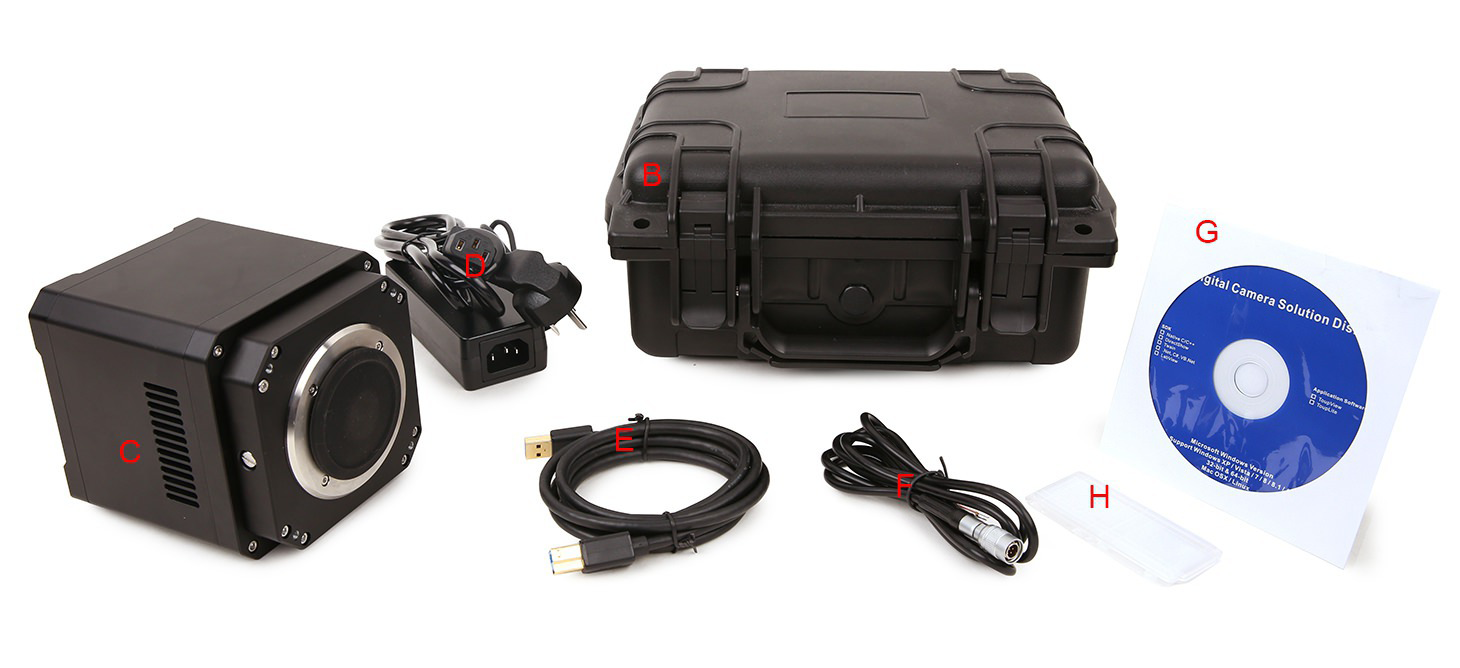
Package list for model MAX251AC-U3 (USB3 Cooled)
- Camera body (MAX series USB3 · cooled)
- Power adapter (input AC 100–240 V, 50/60 Hz; output per in-box spec)
- I/O cable (7-pin cable or extension)
- USB 3.0 data cable
- Lens (optional: M72 / M52 / M42 / C mount)
Product Dimensions #
Dimensions for model MAX251AC-U3 (MAX251 / MAX151)
Frequently Asked Questions
Learn more about scientific CMOS cameras
- Ultra-low read noise: sCMOS read noise approaches 1 e⁻, far outperforming traditional CCDs.
- High frame rate: Parallel readout architecture supports 100 fps or higher.
- Wide dynamic range: Captures bright and dark regions simultaneously with ratios up to tens of thousands to one.
- Large field of view and high resolution: Suits high-resolution, wide-field imaging.
EMCCD cameras excel in ultra-low light or long-exposure conditions.
sCMOS delivers greater value for high-resolution, high-speed imaging with low noise.
In-Depth Product Overview
sCMOS Sensor Architecture
Each pixel has its own amplifier and column ADC for parallel readout, enabling high-speed, high-SNR imaging. Dual gain channels and dual ADC designs further expand dynamic range and sensitivity.
Low Noise + Wide Dynamic Range
Typical sCMOS noise is < 2 e⁻ (30 fps) with dynamic range up to 50,000:1—far exceeding traditional CCDs.
Fast Readout & Versatility
Parallel readout supports >100 fps for capturing fast events such as cell motion, fluorescence lifetime studies, and plasma dynamics.
Low-Light Performance
Back-illuminated sCMOS sensors achieve >95% QE from UV to NIR, with low fixed-pattern noise and cooling down to −30 °C for astronomy and other needs.
Application Scenarios & System Value
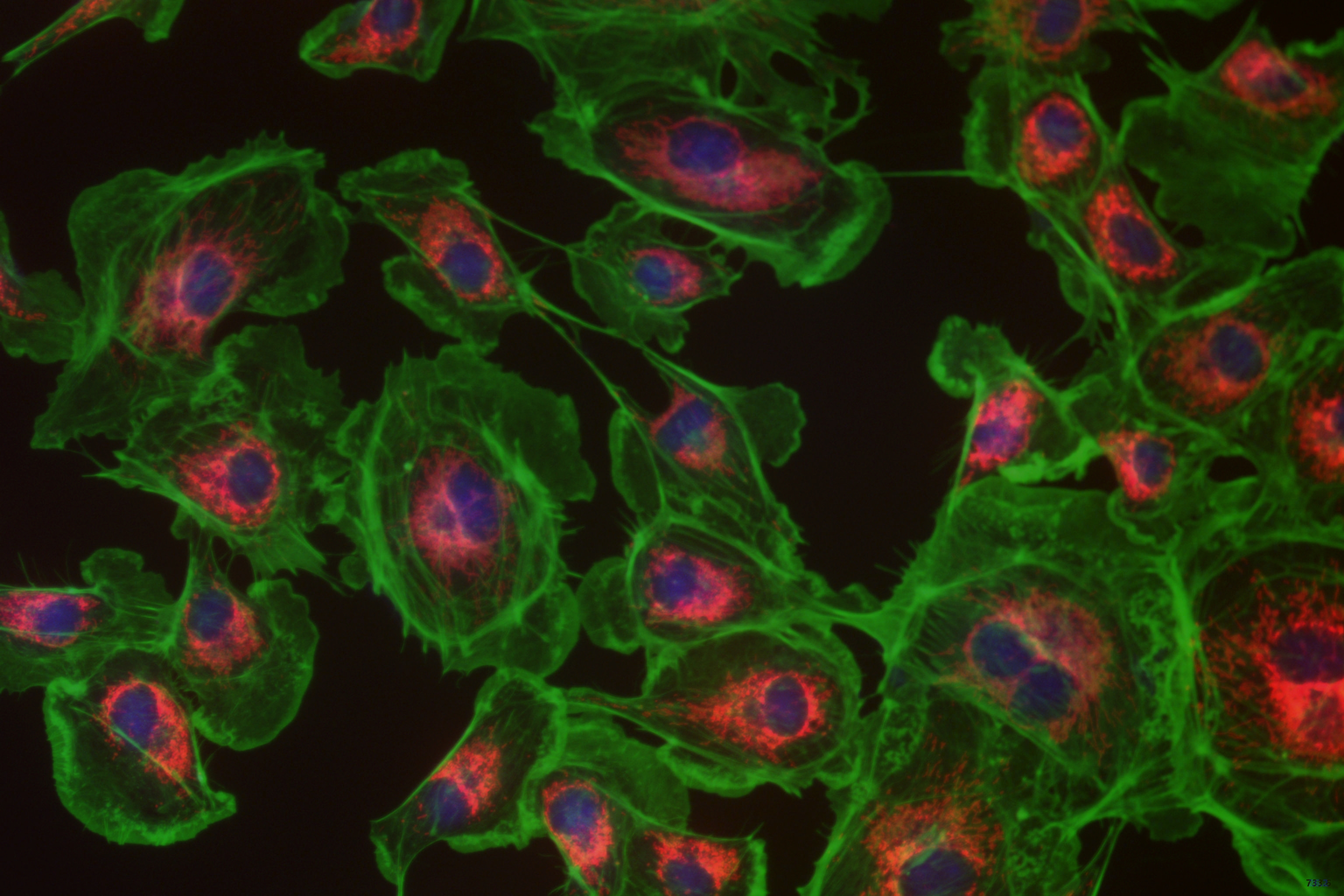
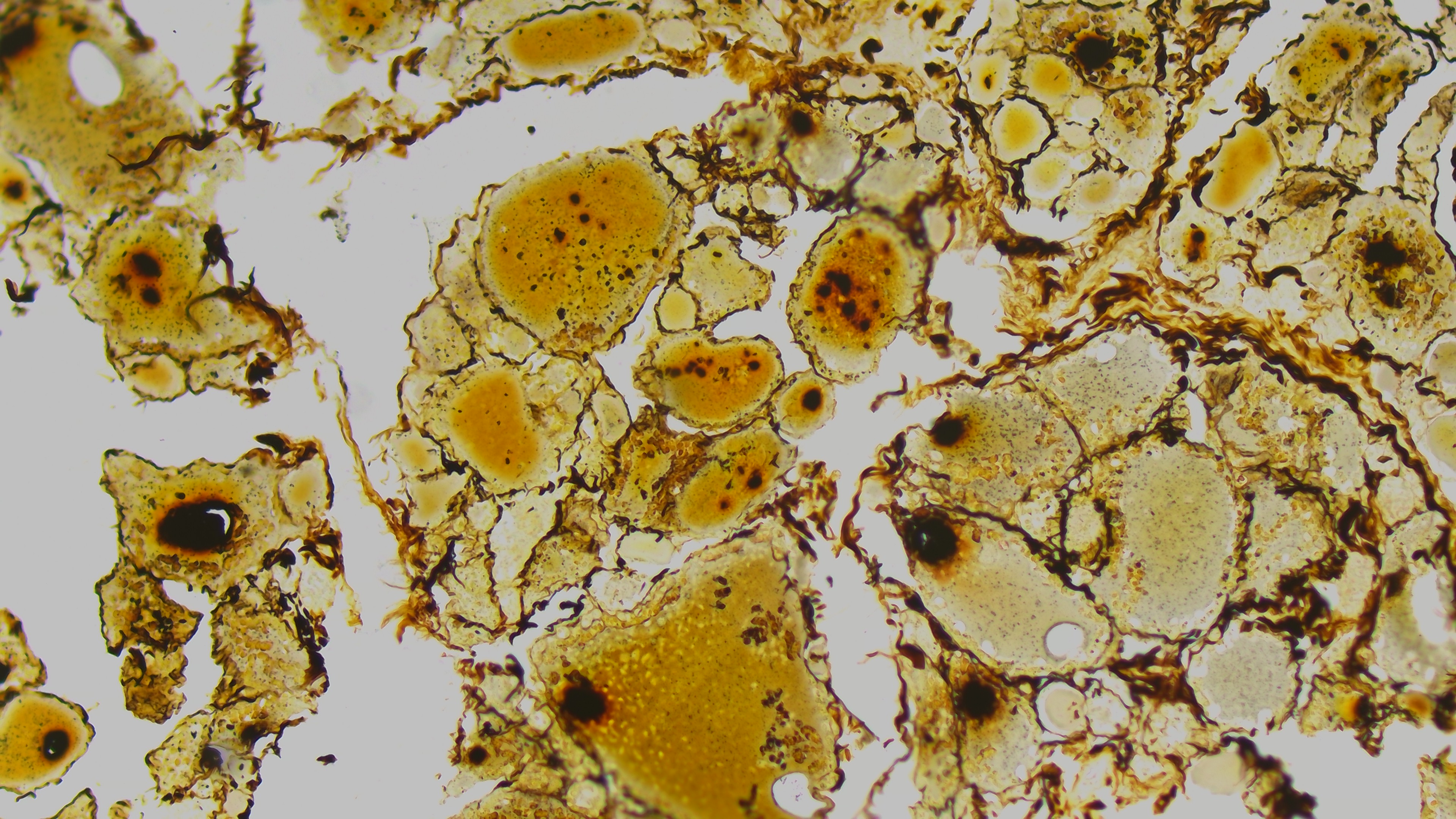
Ideal for fluorescence microscopy, astronomy, cold atom research, X-ray imaging, materials inspection, and industrial microscopy—delivering high sensitivity, precision, and adaptability.
Key Application Areas
Representative sCMOS applications




sCMOS Technology Advantages Summary
- Ultra-low read noise (<2 e⁻)
- High frame rate (>100 fps)
- Wide dynamic range (50,000:1)
- High quantum efficiency (>95%)
- Large FOV, high resolution
- Cooling capability (−30 °C)
- Parallel readout architecture
- Adaptable to diverse research needs